Fintech 2025: New Waves of Innovation, Security, and User Experience: The Future We Can Build Together
Can Fintech's ESG Revolution Save the World?
Fintech isn't just about faster payments or easier investing anymore. It's evolving into something far grander: a potential engine for global sustainability. Imagine a world where every financial decision, from a microloan to a multi-billion dollar investment, is infused with environmental, social, and governance (ESG) considerations. That's the promise of fintech in 2025, and frankly, it’s a future that gets me genuinely excited.
The news coming out of Japan, with Itochu's alliance with boost technologies, is a perfect example. Itochu, a massive corporation, is partnering with a company specializing in visualizing non-financial data—ESG data, to be precise. They're building a system to track CO2 emissions and human capital data across 600 locations. This isn't just about compliance; it's about fundamentally changing how businesses operate. And when I read that the Financial Services Agency in Japan will be making non-financial disclosures mandatory for listed companies by 2027, well, I almost jumped out of my chair!
Data-Driven Sustainability: A Personalized Path to a Greener Future
Data as the Foundation The key here is data, and lots of it. As the "Fintech 2025: New Waves of Innovation, Security, and User Experience" report highlights, fintech firms are leveraging billions of data points to personalize financial journeys. But what if we used that same power to personalize *sustainability* journeys? What if your bank knew your carbon footprint as well as it knows your spending habits? What if investment platforms steered you toward companies actively reducing their environmental impact?AI: Your Personal Guide to a Greener Future
The Role of Artificial Intelligence This is where AI comes in. Machine learning can sift through massive datasets, identify patterns, and provide actionable insights. It can help companies like Itochu optimize their supply chains, reduce waste, and invest in renewable energy. It can also empower consumers to make more informed choices. Imagine an app that calculates the carbon footprint of your purchases in real-time, suggesting greener alternatives. The possibilities are endless, aren’t they?Sustainability for All: The Fintech Renaissance
Democratizing Sustainability This reminds me of the introduction of the printing press. Before that, knowledge was limited to a select few. The printing press democratized information, sparking the Renaissance and the scientific revolution. Similarly, fintech has the potential to democratize sustainability, making it accessible and actionable for everyone.ESG Data: Guarding Against Greenwashing and Privacy Risks
Challenges and Concerns But let’s not get carried away. There are challenges, of course. Data privacy is a major concern. We need to ensure that ESG data is collected and used responsibly, with appropriate safeguards in place. And then there's the risk of "greenwashing"—companies exaggerating their environmental efforts for marketing purposes. We need robust standards and independent verification to ensure accountability.Beyond Partnerships: Forging a Global Fintech Ecosystem
Building a Global Ecosystem The Itochu and boost technologies partnership, while promising, is just one piece of the puzzle. We need a global ecosystem of fintech companies, regulators, and investors working together to drive this revolution. We need open-source platforms, standardized metrics, and transparent reporting. We need to foster a culture of innovation and collaboration.Leveling the Playing Field: Finance for a Better Future
Opportunities for All What does this all mean for us? For investors, it means new opportunities to invest in sustainable companies and technologies. For developers, it means building the tools and platforms that will power the ESG revolution. For consumers, it means having the power to make a difference with every financial decision. But more importantly, what could it mean for *you*?Fintech: A Catalyst for a Brighter Tomorrow
Fintech's Potential for Positive Change When I first started looking at the intersection of finance and technology, I honestly thought it was all about speed and efficiency. Now I see something much bigger. Fintech has the potential to be a force for good, a catalyst for positive change. It can help us build a more sustainable, equitable, and prosperous world for all. And that, my friends, is a future worth investing in.
Back to List
Previous Post:Futures Outage: Fed Cut Bets Prove It's Rigged. - Traders in Shambles
No newer articles...
Related Articles
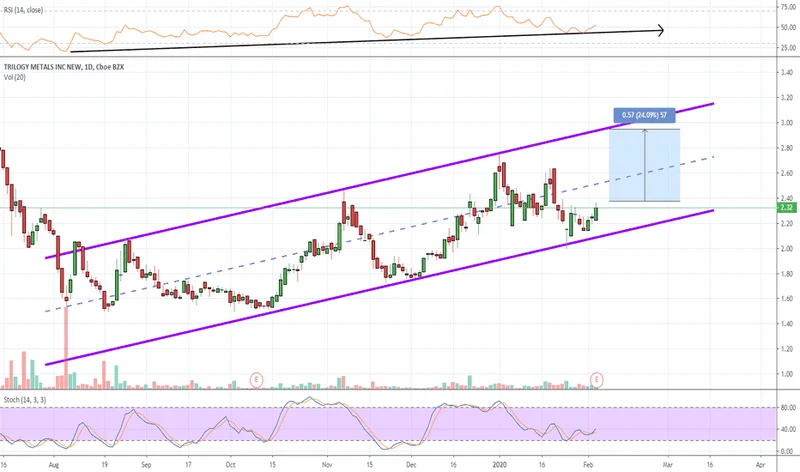
US Government Backs Trilogy Metals (TMQ): Why It's Soaring and What It Signals for America's Future
I just read a press release that, on the surface, is about a mining company in Alaska. And I can’t s...

Kimberly Clark's $48.7 Billion Deal: What It Means – What Reddit is Saying
Kimberly-Clark Swallows Kenvue: A $48.7 Billion Gamble Kimberly-Clark is betting big on a reunion. T...

The 10-Year Treasury Yield: Why It's the Real Thing Screwing With Your Mortgage, Not the Fed
So You Think the Fed Controls Your Mortgage Rate? Think Again. Let me guess. You saw the headlines i...

primerica: What to Know – A Reality Check
Nvidia's AI Hype Train: Are We There Yet? Nvidia. The name is practically synonymous with the AI rev...

Broadcom's OpenAI Sugar Rush: Why I'm Not Buying a Single Share
Another Monday, another multi-billion dollar AI deal that we're all supposed to applaud like trained...

PLTR Stock: Cathie Wood Sells, But What's the Big Picture?
Dr. Thorne: Forget the Doubters—Palantir's AI Surge is Just the Beginning! Okay, friends, buckle up....